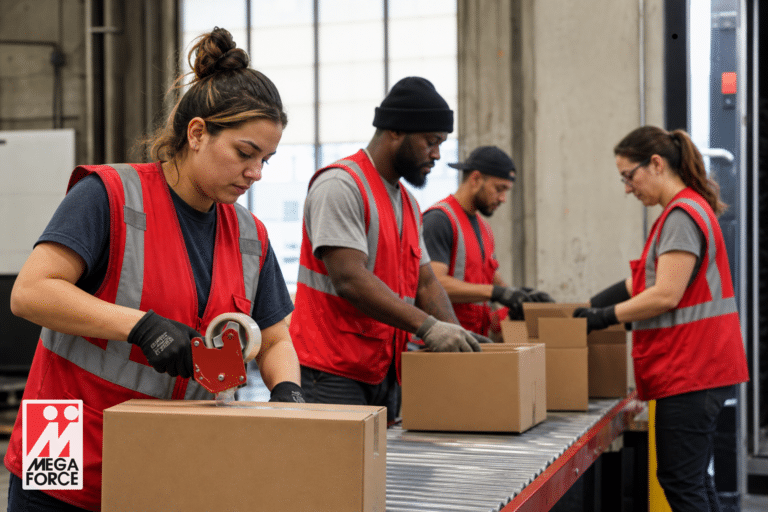

The holiday season brings opportunity—but also significant operational challenges. For logistics hubs, distribution centers, and manufacturing plants, peak demand can push already lean teams to their limits. Orders surge, timelines tighten, and the margin for error shrinks. Without the right staffing strategy, businesses risk burnout, missed deadlines, and lost revenue.
The good news? With proper planning and the right staffing partner, you can turn the holiday surge into a competitive advantage instead of a liability.
Why Seasonal Staffing Can’t Be an Afterthought
Every year, employers fall into the same trap: waiting until the busy season is already in full swing to recruit extra help. By then, the talent pool has been picked over, leaving businesses scrambling to fill gaps with untrained workers. This reactive approach leads to:
-
Higher turnover rates.
-
Increased safety incidents.
-
Slower onboarding and training.
-
Lower morale among permanent staff.
According to industry studies, over half of warehouse leaders report that labor shortages are their top challenge during peak season. The key to avoiding these pitfalls is to plan staffing needs early and strategically.
Step 1: Forecast Labor Needs Accurately
Your first step is understanding demand. Look at historical sales and production data, upcoming customer commitments, and potential growth factors such as new accounts or expanded product lines.
Ask yourself:
-
When does demand typically start to spike?
-
Which roles will feel the most pressure (pickers, packers, machine operators, forklift drivers)?
-
How many float or flex workers do we need to cover absenteeism and overtime fatigue?
By forecasting labor demand now, you can build a staffing model that covers peak periods without overspending.
Step 2: Build a Seasonal Talent Pool Before You Need It
Smart employers maintain a “float pool” of seasonal workers who can step in quickly. These may include:
-
Past seasonal employees who are eligible for rehire.
-
Candidates pre-vetted by your staffing partner.
-
Workers trained on multiple tasks for flexibility.
A float pool ensures that when volume spikes, you’re not starting from scratch with recruiting. Instead, you have access to trained, reliable talent that integrates seamlessly into operations.
Step 3: Prioritize Onboarding and Training
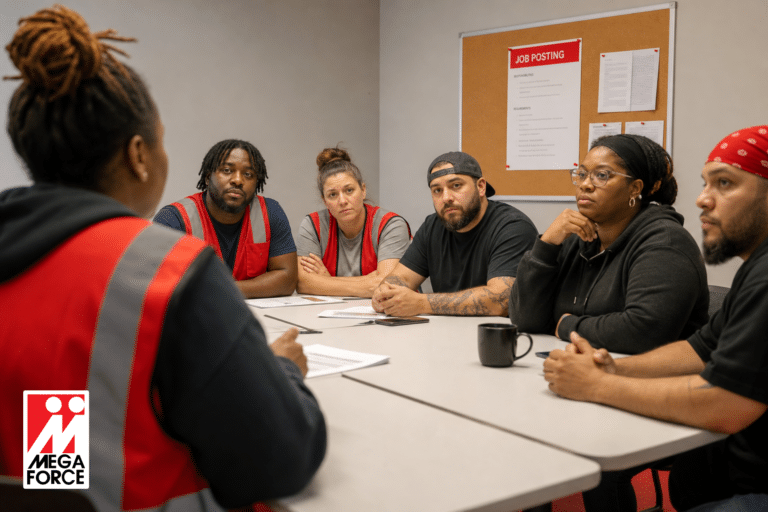
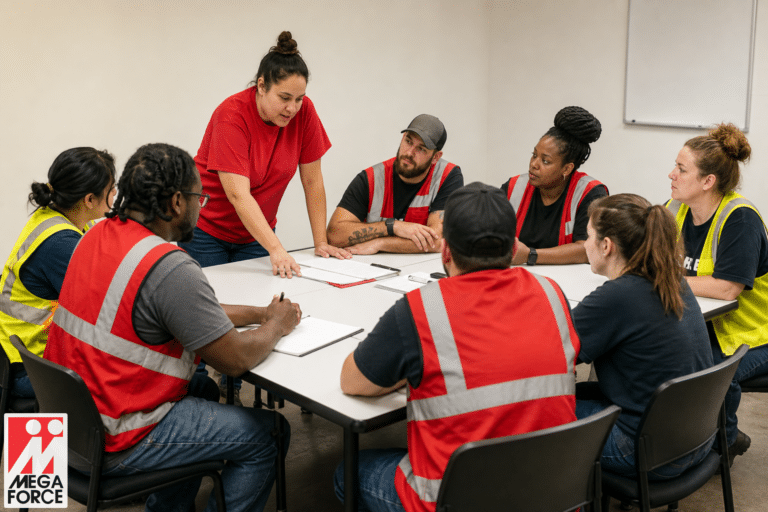
Even the most capable seasonal hire needs orientation. Rushed or incomplete onboarding leads to mistakes, slow productivity, and higher turnover. Instead, schedule training before peak demand hits. This ensures new hires are fully prepared when the holiday rush begins.
Best practices include:
-
Standardized training modules for seasonal workers.
-
Cross-training programs to improve flexibility.
-
Safety refreshers to reduce incident rates.
The time invested in proper onboarding pays off when your seasonal workforce is operating at full capacity from day one.
Step 4: Protect Your Core Team from Burnout
During peak season, overtime is inevitable. But relying too heavily on existing staff creates fatigue, higher absenteeism, and increased risk of injury. A balanced approach that combines permanent staff with supplemental seasonal workers allows you to:
-
Reduce mandatory overtime.
-
Offer shift flexibility.
-
Maintain morale and engagement.
This strategy not only improves retention but also ensures consistent quality during the busiest time of year.
Step 5: Partner with a Staffing Expert
The complexity of holiday workforce planning often overwhelms internal HR teams. That’s where Mega Force comes in. With more than 40 years of experience supporting distribution, logistics, and manufacturing employers, Mega Force helps you:
-
Plan ahead: We analyze your seasonal patterns and build a tailored staffing strategy.
-
Access vetted talent: Our rigorous screening ensures every associate is job-ready.
-
Leverage temp-to-hire models: Trial periods give you flexibility and reduce hiring risk.
-
Streamline compliance: From payroll to workers’ comp, we handle the administrative load.
-
Ensure seamless onboarding: Our associates arrive trained, safety-conscious, and prepared to contribute from day one.
This proactive partnership keeps your facility running smoothly through seasonal spikes—without service interruptions.
Holiday Staffing Timeline: When to Start Planning
To stay ahead, consider this general timeline:
-
August–September: Begin forecasting demand and communicating staffing needs to your partner.
-
September–October: Build your seasonal float pool and begin recruiting.
-
October–November: Onboard and train seasonal hires before volume peaks.
-
November–December: Optimize scheduling, monitor performance, and protect core staff from burnout.
By following this timeline, you avoid last-minute hiring scrambles and ensure every worker is ready when orders surge.
Key Takeaways
-
Seasonal hiring should be planned months in advance, not at the last minute.
-
Developing a float pool ensures a reliable, flexible seasonal workforce.
-
Effective onboarding and safety training improve productivity and reduce turnover.
-
Protecting your permanent staff with shift flexibility prevents burnout and ensures consistent output.
-
A staffing partner like Mega Force reduces risk, streamlines compliance, and provides trained talent ready to work.
Turn Holiday Stress Into Seasonal Success
The holiday surge doesn’t have to mean chaos. With the right strategy—and the right staffing partner—you can meet seasonal demand with confidence, protect your workforce, and deliver exceptional service when it matters most.
Let’s build your holiday workforce strategy today: Request Talent.