
Employee turnover continues to be one of the biggest challenges facing manufacturers and warehouse operators. From missed production goals to increased overtime and training costs, high turnover creates ongoing operational pressure that impacts productivity, morale, and profitability.
For employers in manufacturing and warehouse environments, turnover is rarely caused by one issue alone. Attendance problems, burnout, inconsistent onboarding, and lack of engagement often combine to create a revolving door of workers coming and going.
The good news is that turnover can be reduced with the right workforce strategy, stronger communication, and proactive staffing support. Employers that focus on retention—not just hiring—are better positioned to build stable, productive teams in 2026 and beyond.
Why Turnover Is So High in Manufacturing and Warehouse Roles
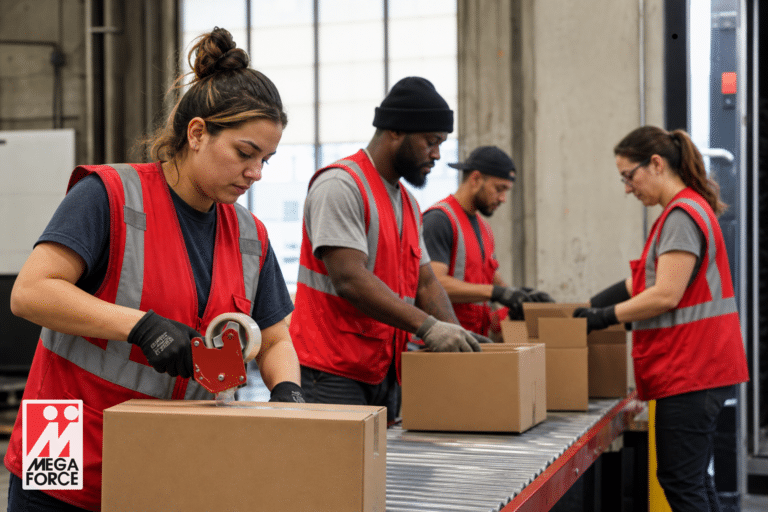
Manufacturing and warehouse jobs are physically demanding, fast-paced, and highly dependent on reliability. When workloads increase or staffing levels fall short, employees can quickly become overwhelmed.
One of the most common drivers of turnover is inconsistent staffing. Understaffed operations often rely heavily on overtime, leading to fatigue and burnout among dependable workers. Over time, employees who feel overworked or unsupported are more likely to leave for other opportunities.
Attendance challenges also contribute to instability. Habitual absenteeism or employees leaving shifts early can place additional strain on teams and disrupt workflow across the operation. When these issues are not addressed early, they create frustration among reliable employees who are forced to compensate for staffing gaps.
Another factor is onboarding. Employees who receive limited training or unclear expectations during their first few days are less likely to stay long term. A weak start often leads to disengagement before workers ever become fully productive.
The Real Cost of Employee Turnover
Turnover affects more than hiring numbers—it impacts nearly every part of the business. Every time an employee leaves, employers must spend time and resources recruiting, onboarding, and training a replacement.
Productivity also suffers. Experienced workers are often pulled away from their responsibilities to train new hires, slowing down output and increasing the risk of errors or safety incidents.
Morale can decline as well. When turnover becomes constant, employees may feel disconnected or uncertain about the workplace environment. This can create a cycle where turnover contributes to even more turnover.
In warehouse environments, staffing instability can delay shipments, reduce order accuracy, and impact customer satisfaction. In manufacturing, labor shortages can slow production lines and create costly downtime.
Strategies to Reduce Warehouse Turnover and Improve Retention
Reducing turnover starts with creating a more stable and supportive work environment. Employers that prioritize communication, consistency, and workforce planning often see significant improvements in retention.
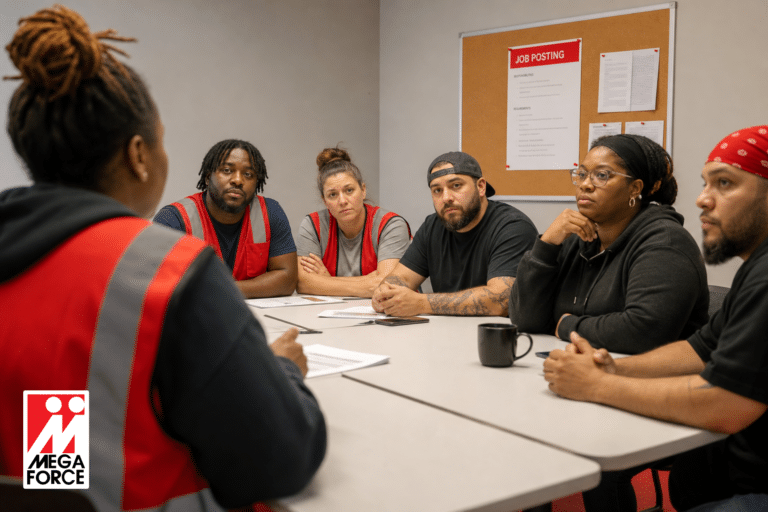
Clear expectations are critical. Employees should understand attendance policies, performance expectations, and opportunities for growth from day one. Consistent communication helps workers feel informed and supported instead of disconnected.
Strong onboarding also makes a measurable difference. Employees who receive structured training and regular check-ins during their first few weeks are more likely to stay engaged and productive.
Scheduling practices matter as well. While overtime may sometimes be necessary, consistently overloading employees can quickly lead to burnout. Building staffing flexibility into workforce planning helps reduce pressure on existing teams.
Recognition and engagement are equally important. Employees who feel valued are more likely to stay committed, even during demanding periods. Simple efforts like acknowledging attendance, productivity, or safety performance can strengthen morale and improve retention.
How Staffing Partnerships Help Reduce Turnover
Many employers focus heavily on filling positions quickly, but long-term retention requires a broader strategy. Staffing partnerships can help stabilize the workforce by improving hiring quality, reducing absenteeism, and supporting onboarding efforts.
A staffing partner with manufacturing and warehouse expertise can identify candidates who are better aligned with the demands of industrial environments. This improves reliability and reduces the likelihood of early turnover.
Flexible staffing solutions also help employers avoid overworking permanent teams. Temporary and temp-to-hire staffing models create additional workforce support during peak demand, reducing burnout and improving overall workforce stability.
How Mega Force Supports Industrial Workforce Retention
Mega Force helps manufacturers and warehouse operators build stronger, more reliable teams through strategic staffing solutions designed for industrial environments.
Our recruiting process focuses on identifying candidates with the work ethic, reliability, and consistency needed to succeed in manufacturing and warehouse roles. By maintaining active talent pipelines, Mega Force helps employers reduce staffing gaps before they impact productivity.
We also support onboarding and workforce planning efforts that improve retention and reduce absenteeism. Whether you need temporary staffing, temp-to-hire solutions, or long-term workforce support, Mega Force helps create staffing strategies built for stability and growth.
Build a More Stable Workforce in 2026
High turnover is not inevitable. With the right staffing strategy, better onboarding, and stronger workforce support, employers can improve retention, reduce absenteeism, and create more stable operations.
The companies that succeed in 2026 will be the ones that invest not only in hiring workers—but in keeping them engaged and supported long term.
Ready to reduce turnover and strengthen your manufacturing or warehouse workforce?
Request talent today and partner with Mega Force to build a more reliable workforce.