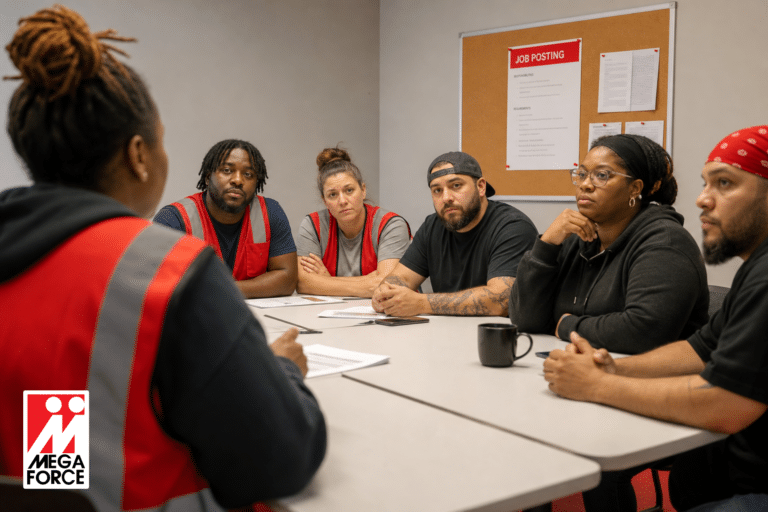

Holiday demand can place enormous pressure on manufacturing, warehouse and distribution teams. Higher order volumes, employee time off and tighter customer deadlines can quickly expose gaps in workforce coverage.
Employers that wait until the fourth quarter to begin recruiting may struggle to find qualified workers, complete training and maintain productivity. Early holiday workforce planning gives businesses time to hire, onboard and prepare dependable employees before demand reaches its peak.
Why Early Holiday Workforce Planning Matters
Last-minute hiring often forces employers to make decisions under pressure. Managers may have less time to evaluate candidates, employees may receive limited training and experienced team members may need to cover open shifts through overtime.
Starting earlier creates a more controlled hiring process. Employers can determine which positions will be needed, identify the right qualifications and prepare employees for their responsibilities before workloads increase.
Businesses can also review Mega Force’s guidance on preparing for the holiday hiring rush when developing their seasonal workforce strategy.
Forecast Your Holiday Staffing Needs
A strong holiday staffing plan begins with an accurate demand forecast.
Review previous seasonal performance, projected order volumes, anticipated employee absences and upcoming production requirements. This information can help determine how many additional employees will be needed and when they should begin working.
Employers should evaluate staffing requirements by:
-
Position and department
-
Shift and schedule
-
Required skills or certifications
-
Expected workload
-
Training time
-
Length of assignment
Planning by role and shift is more effective than choosing one general seasonal hiring target. It helps employers place the right number of qualified workers where they will have the greatest impact.
Identify Your Most Critical Holiday Roles
Some positions are more difficult to fill or require more training than others. These roles should be addressed first.
A warehouse may need experienced forklift operators, order pickers, material handlers and shipping employees. A manufacturing facility may require machine operators, assemblers, quality inspectors or packaging employees.
Employers should create clear job descriptions that identify essential duties, schedules, physical requirements and required experience. Mega Force offers additional guidance on writing clear job descriptions that attract qualified candidates.
Beginning with the most specialized or business-critical positions gives hiring teams more time to screen candidates and complete any required training.
Build A Prequalified Candidate Pipeline
Employers should not wait until every seasonal position is officially open to begin identifying potential candidates.
A prequalified candidate pipeline can include previous temporary employees, employee referrals, applicants from earlier hiring campaigns and candidates already screened by a staffing partner.
Maintaining contact with qualified workers makes it easier to respond when schedules change or demand increases unexpectedly. It also reduces the time between recognizing a workforce need and placing someone on the job.
Mega Force’s temporary staffing services in North Carolina help employers access candidates who have been evaluated for relevant skills, experience and availability.
Begin Onboarding Before Demand Peaks
New employees need time to understand workplace expectations, safety procedures and their daily responsibilities.
When onboarding begins before peak demand, supervisors can provide more focused training without the added pressure of holiday workloads. Employees also have time to build confidence and become familiar with equipment, processes and coworkers.
A structured onboarding plan may include:
-
Workplace and safety orientation
-
Personal protective equipment requirements
-
Role-specific instruction
-
Supervised task practice
-
Performance checkpoints
-
Feedback from supervisors
Employers should define what employees need to learn during their first day, first week and first month. This creates consistency and helps new workers become productive more quickly.
Cross-Train Employees For Greater Flexibility
Holiday demand may not affect every department equally. Workloads can shift between receiving, production, packaging, inventory and shipping throughout the season.
Cross-training employees allows managers to move qualified workers between responsibilities as needs change. It can also help operations continue when employees are absent or order volumes exceed expectations.
Cross-training should be completed before peak workloads begin. Employees need enough time to practice additional responsibilities safely and correctly rather than learning unfamiliar tasks during the busiest part of the season.
Protect Your Current Workforce From Burnout
A seasonal staffing plan should support existing employees, not simply increase total headcount.
Without adequate coverage, experienced workers may face extended shifts, frequent schedule changes and excessive overtime. These conditions can contribute to fatigue, safety concerns, lower morale and turnover.
Early hiring helps distribute the workload more evenly. Employers should also monitor attendance, overtime and employee feedback throughout the season.
Mega Force’s guidance on retaining dependable workers can help businesses identify workforce issues that may become more serious during peak demand.
Use A Flexible Seasonal Staffing Strategy
Holiday forecasts are not always exact. Order volumes may change, customer deadlines may shift and employee availability can be unpredictable.
Temporary and temp-to-hire staffing solutions give employers greater flexibility. Businesses can adjust workforce levels as demand changes while still maintaining consistent screening and onboarding standards.
Temporary staffing can be particularly useful for:
-
Seasonal production increases
-
Warehouse and distribution surges
-
Employee vacation coverage
-
Special projects
-
Extended operating hours
-
Unexpected absences
A flexible plan allows employers to respond to changing conditions without relying entirely on overtime or last-minute recruiting.
Review Results After The Holiday Season
Holiday workforce planning should improve from one year to the next.
After the season ends, review what worked and where challenges occurred. Consider whether hiring began early enough, training was effective and staffing levels matched actual demand.
Useful measures may include:
-
Time-to-fill
-
Employee attendance
-
Overtime hours
-
Training completion
-
Productivity
-
Safety incidents
-
Seasonal employee retention
-
Supervisor feedback
These findings can help employers create a stronger and more accurate plan for the next peak period.
Prepare Your Holiday Workforce Early
A reliable holiday workforce cannot be built overnight. Employers need time to forecast demand, recruit qualified candidates, complete onboarding and prepare employees for the realities of peak operations.
Starting early allows businesses to maintain productivity, reduce pressure on current employees and enter the holiday season with trained workers already in place.
Mega Force helps North Carolina employers develop flexible staffing solutions for seasonal, temporary and long-term workforce needs. Request talent from Mega Force to begin preparing your workforce before holiday demand arrives.